
Challenges and Trends in Packaging and Logistics for 2026: Logistics 4.0, Transparency, and Traceability
The packaging and logistics industry is undergoing significant changes and transformations. Technological advances, growing market demands for sustainability, the need for highly efficient solutions, and the ongoing development of Artificial Intelligence (AI) are prompting companies to prepare for 2026 by adapting to these trends. Keeping ahead of the curve is essential to standing out in a growing, competitive marketplace.
In this article, we highlight the main industry trends and challenges, as well as the strategies and solutions companies will need to adopt to remain competitive.
Challenges for 2026
Packaging is no longer just a container or load protection, it has become a strategic brand asset, pushing the industry into a period of adaptation to new market and consumer demands. These are some of the challenges the sector will face in 2026 and the coming years:
1. New tariffs and complexities in exportation
Geopolitical instability continues to be one of the biggest challenges for the packaging and logistics industry in 2026. International conflicts, trade tensions, sanctions, and new tariffs are causing constant disruptions across supply chains. This affects the availability of raw materials and increases production and transportation costs.
The packaging sector must improve its adaptability by diversifying suppliers, planning contingency scenarios, and seeking alternative sources of raw materials.
2. Digital transformation and AI integration
Digitalization is widely recognized as a solution to many logistical challenges—but it is also a challenge due to its rapid evolution. Many companies must make significant efforts to digitize and optimize their packaging and logistics processes, as well as train their teams in these new technologies. And regarding AI, companies also need to invest in integrating it efficiently into their operations.
3. Regulatory pressure and demand for sustainable and circular packaging
The market demands increasingly sustainable and environmentally friendly packaging solutions, driven by progressively stricter European regulations. To avoid penalties, companies must comply with circular economy policies that encourage reuse, recycling, and reducing environmental impact in alignment with the 2030 Agenda and the Sustainable Development Goals (SDGs).
This implies, among other things, increased costs associated with transitioning to greener practices. For this reason, sustainability in the supply chain is no longer a trend—but a requirement of both the market and European regulations.
4. Lack of qualified labor
The shortage of specialized personnel remains one of the sector’s biggest challenges. New generations show little interest in industrial or logistics work, while part of the current workforce struggles to adapt to new technologies due to a lack of training, skills, or motivation.
At Innova, we work to overcome this challenge through continuous training programs that help our teams acquire new competencies and adapt quickly to technological changes in the industry.
Trends and Innovative Responses for 2026
To address these challenges, the industry is being pushed to adopt new technologies and trends in its processes.
1. Logistics 4.0
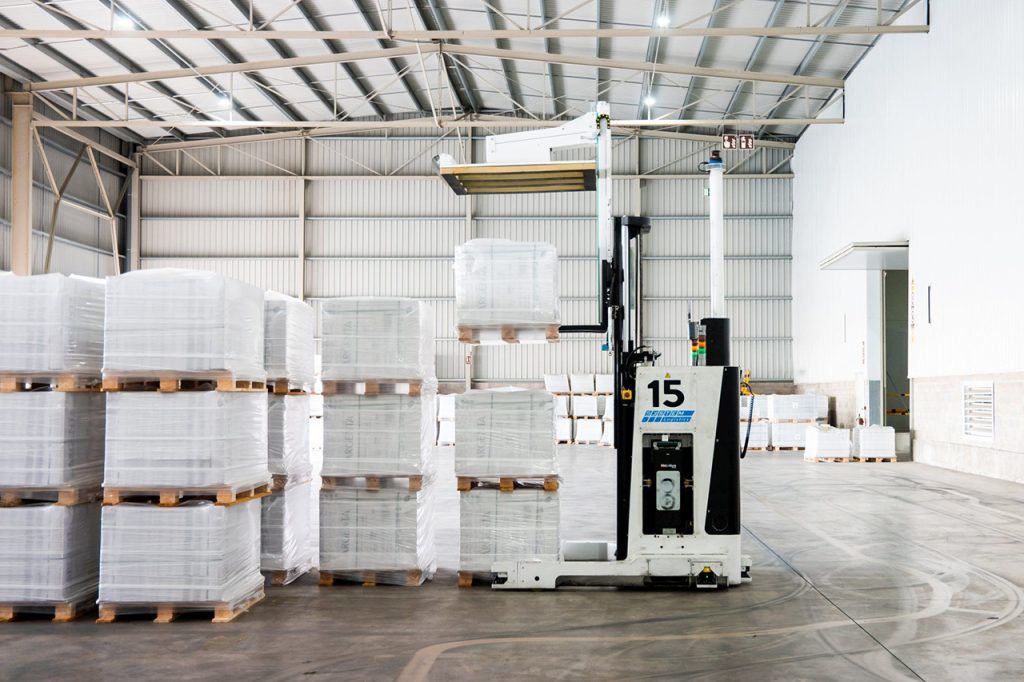
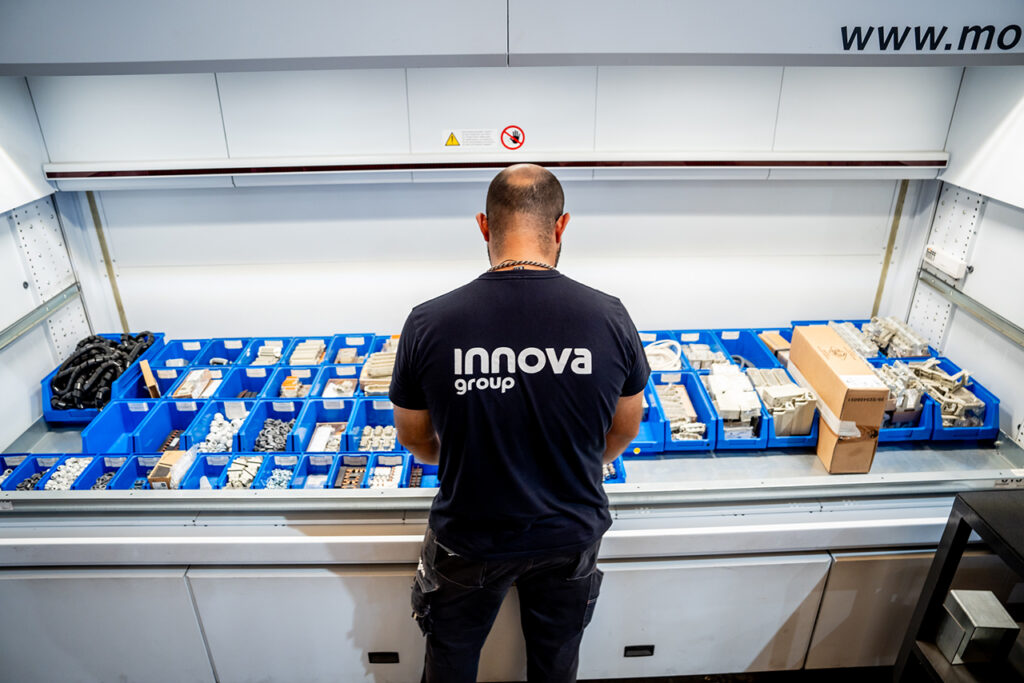
Smart warehouses—or 4.0 warehouses—will continue leading this transformation through technologies such as advanced management systems (WMS), RFID readers, and groundbreaking tools like AI, Big Data, and the Internet of Things (IoT). The combination of these technologies allows logistics centers to work more efficiently and with fewer manual interventions, helping improve efficiency, reduce errors, and optimize resources.
2. Advanced traceability across the entire supply chain
Customers increasingly demand greater transparency throughout the logistics chain, making it essential to use systems that can track each product from its origin to its final destination. Technologies such as blockchain, digital twins, IoT sensors, and cloud traceability platforms allow real-time tracking, reduce manual processes, and facilitate compliance with quality and sustainability regulations.
Additionally, they increase the security of the entire process since the data cannot be manipulated, preventing fraud and errors.
3. Full transparency and verifiable sustainability
Sustainability is no longer a trend or a marketing claim (as explained in our article on Greenwashing), but an industry and regulatory requirement. Therefore, packaging companies must clearly and transparently demonstrate to customers that their packaging is truly sustainable.
Beyond stating that they reduce plastic use or choose more eco-friendly materials, companies must specify, among other aspects, the percentage of recycled content in their packaging, the type of plastic compound used, and how it should be recycled or reused. This allows customers to understand the true environmental impact of the packaging and make more responsible decisions.
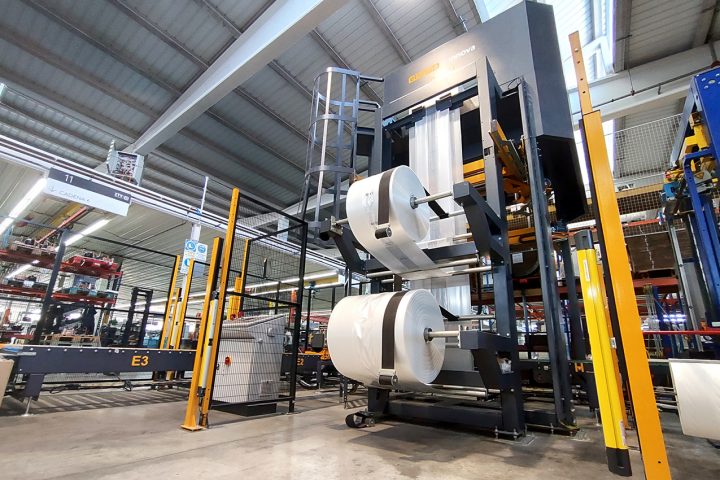
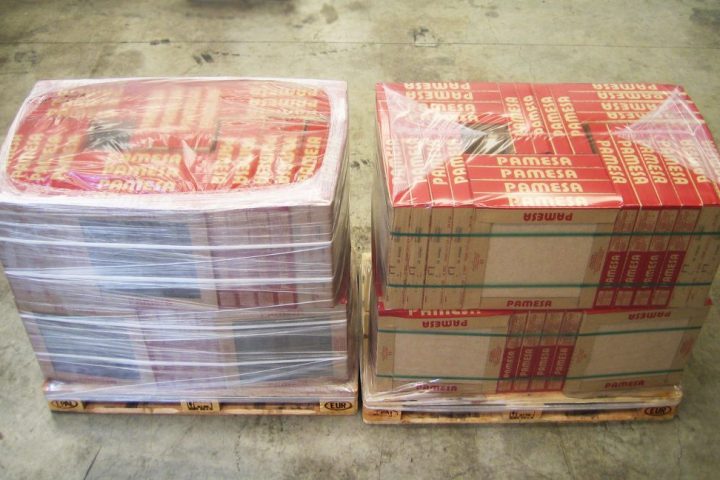
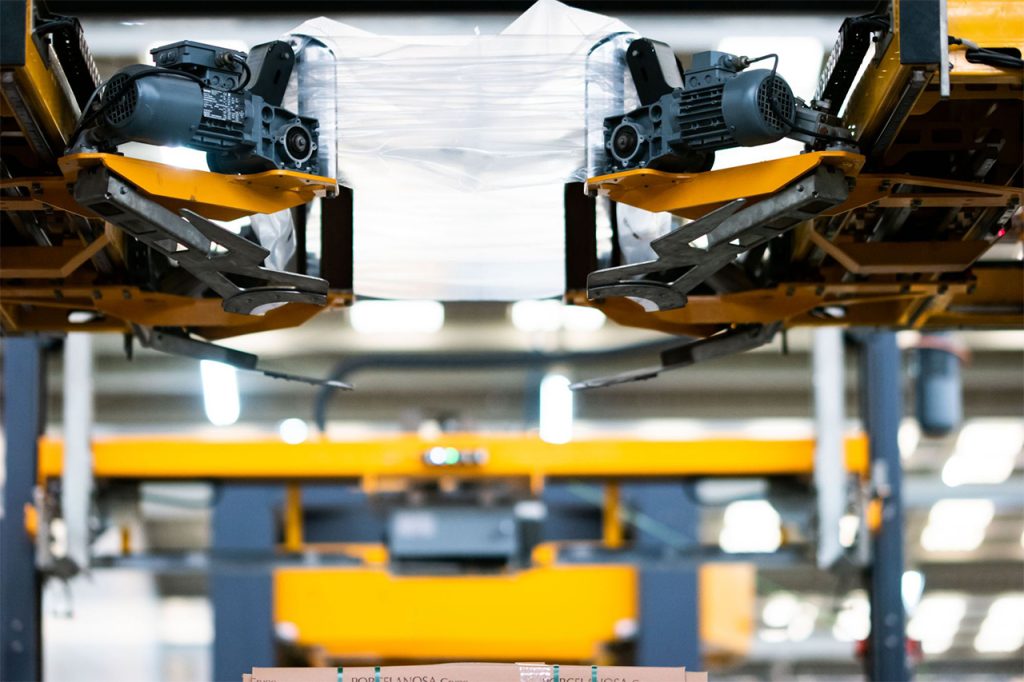
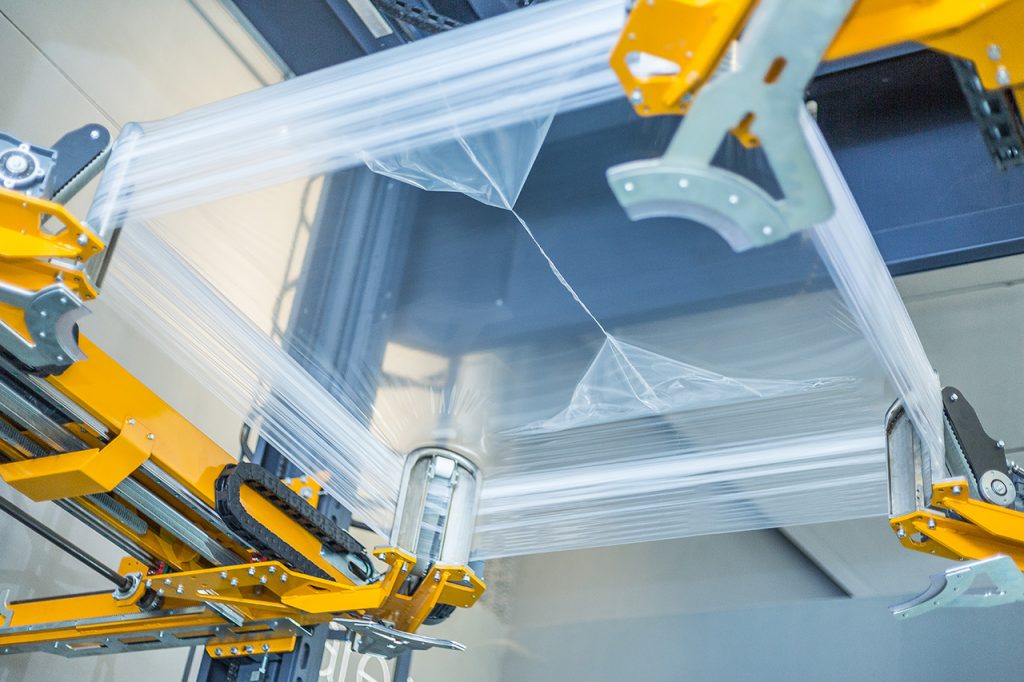
At Innova, one of our pillars is the transition toward a greener industry, which is why we manufacture solutions such as the Stretch Hood, the most sustainable pallet packaging system, featuring high-efficiency technologies that reduce CO₂ emissions and plastic use.
4. Brand storytelling through packaging
As mentioned, packaging is no longer just a logistical requirement; it has become the company’s business card. Storytelling applied to packaging can be a key tool for generating positive emotions, building customer loyalty, and standing out from the competition.
Beyond ensuring a premium finish with end-of-line systems such as Stretch Hood, the market demands innovation in packaging: QR codes that lead to videos or product information, branded illustrations, and messages highlighting the company’s values in sustainability and innovation to reinforce brand identity.
5. 3D printing of parts and prototypes
3D printing will be one of the major revolutions heading into 2026 in the packaging and logistics industry, especially for manufacturing parts, spare components, and machine pieces for end-of-line equipment. This allows on-demand manufacturing, reducing wait times, minimizing inventories, and decreasing dependency on external suppliers—crucial in a geopolitically unstable environment.
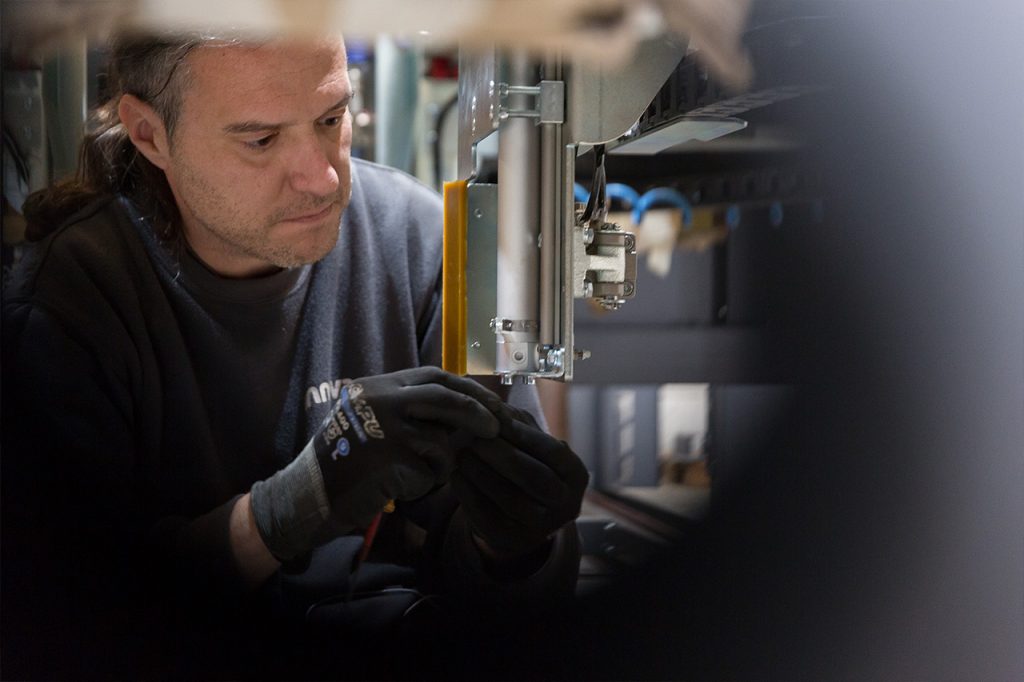
At Innova, for example, we already use 3D printing technologies to shorten machine assembly times and improve maintenance, in line with our Lean Manufacturing methodology.
Following the trends of recent years, 2026 will be marked by continuous technological transformation. Companies that adopt advanced technologies, intelligent systems, and sustainable solutions will be better positioned to optimize their operations, respond to market changes, and deliver a more competitive service.
At Innova, we design and manufacture packaging systems tailored to the specific needs of the market. Contact us, and we will advise you on finding a customized packaging solution for your company. Our technical team will be happy to assist you!