
End-of-Line Packaging Troubleshooting: 7 Warning Signs
Could your end-of-line packaging system be losing efficiency without experiencing an actual breakdown? Production stoppages rarely happen suddenly. They are usually preceded by minor operational issues that go unnoticed during the plant’s daily routine. Identifying these early signs of wear, misalignment, or mechanical fatigue is essential to preventing unplanned downtime and costly repairs.
As manufacturers of end-of-line packaging solutions, at Innova we know how to identify when a system is no longer operating at peak performance. In this article, we highlight 7 warning signs that indicate your packaging machinery needs a specialized technical assessment before a failure occurs and compromises your company’s productivity.
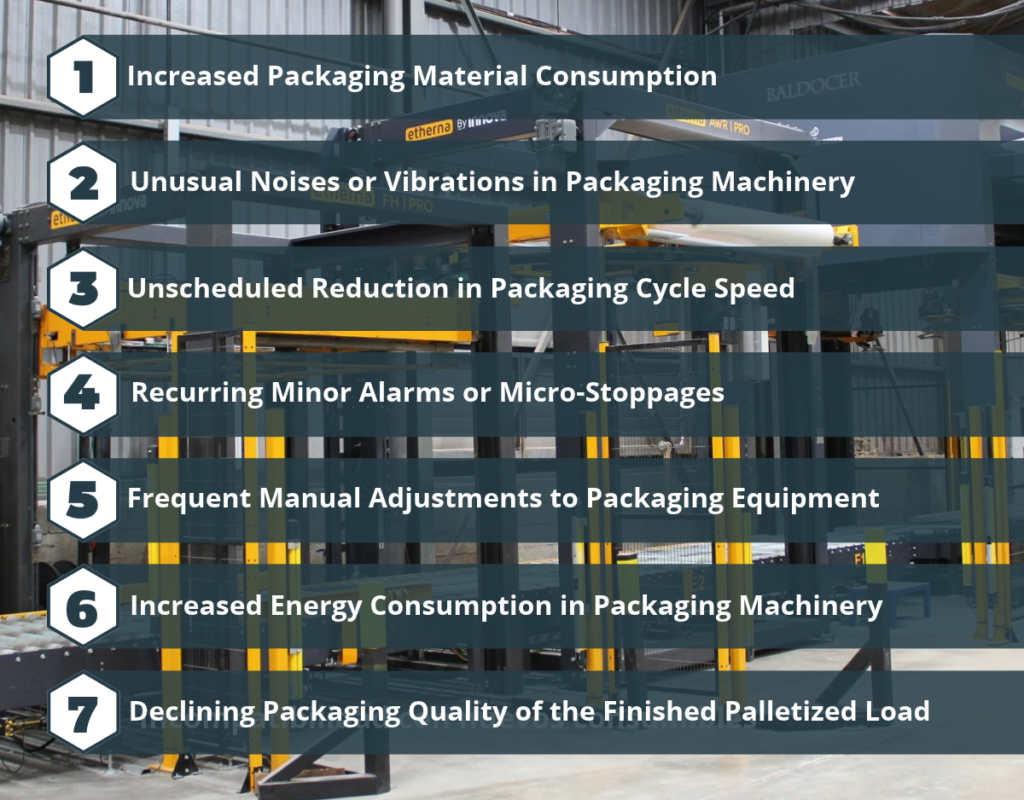
1. Increased Packaging Material Consumption
If plastic consumption in kilograms or strapping consumption in meters per pallet increases without any changes to the packaging parameters or load type, this is a clear sign that the packaging system is losing precision.
- Why does this happen? In pallet stretch wrappers, this issue is often related to worn pre-stretch rollers or torque control failures that prevent the film from reaching the configured stretch percentage. In Stretch Hood systems, misaligned pallet-height sensors or incorrect vertical stretching can leave excess film at the top or sides of the load, creating vertical wrinkles that significantly increase plastic consumption per unit. In strapping machines, poor calibration of the strap feeding or tensioning mechanisms in the strapping head can result in wasted strapping material during every cycle.
- Impact: Using more material than necessary directly increases operating costs per unit load and makes it harder for the plant to meet its sustainability targets. Furthermore, this loss of precision is often the first indication of misalignment or component wear. Without a timely technical diagnosis, it can lead to material breakage, jams, or production line stoppages.
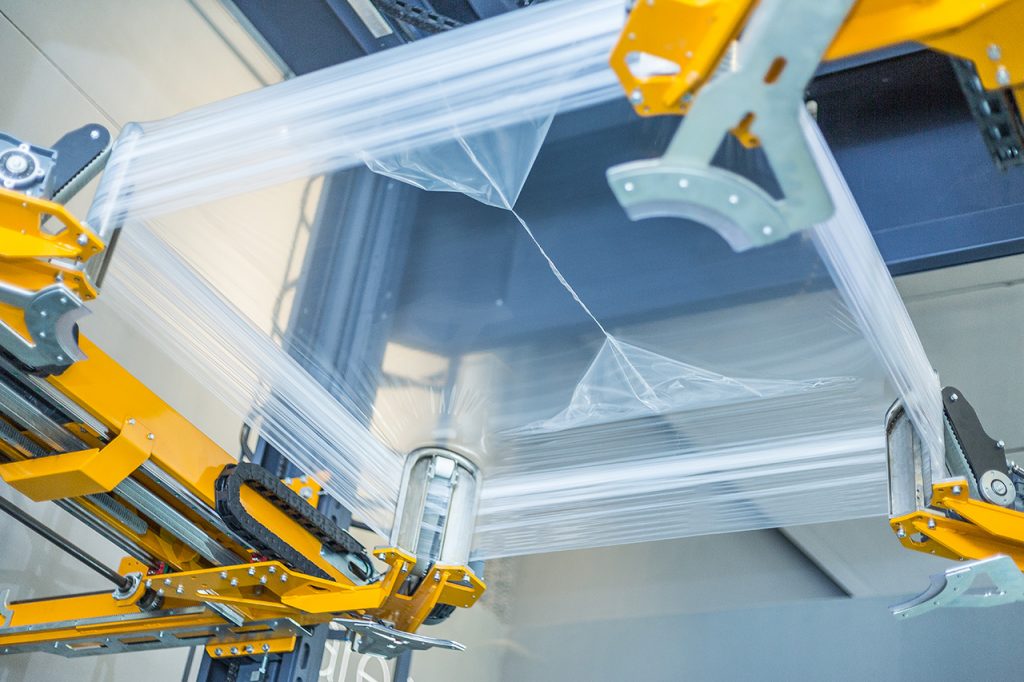
2. Unusual Noises or Vibrations in Packaging Machinery
Any change in the usual operating sound of a packaging line is a clear indication that something may not be working properly. A gradual increase in operating noise, vibrations in the machine structure, or slight jerking movements when feeding material from the roll are warning signs that should not be ignored.
- Why does this happen? These minor issues are usually caused by wear in power transmission, lifting, and guiding components, such as bearings, timing belts, linear guides, lifting chains, or rotating rings, depending on the machine design. They may also indicate minor misalignments caused by continuous operating cycles in high-production facilities.
- Impact: Ignoring these vibrations or noises increases internal friction and accelerates mechanical fatigue, raising the likelihood of a major machine breakdown that could bring production to a complete stop.
3. Unscheduled Reduction in Packaging Cycle Speed
When a machine takes longer than expected to complete a stretch-wrapping, Stretch Hood, or strapping cycle without any changes to its program settings, the production line’s throughput is affected. This often goes unnoticed because the slowdown happens gradually or because operators manually reduce the speed to prevent errors, masking an underlying problem that remains unresolved.
- Why does this happen? This loss of speed is often caused by pressure drops in the pneumatic circuit, increased friction in moving components, slower response times from load detection sensors, or variable frequency drives that limitthe operating speed due to higher-than-usual mechanical loads.
- Impact: Reduced cycle speed directly affects production line performance. What starts as a slightly slower-than-usual cycle can eventually lead to a jam, a sequence error, or a complete line stoppage.
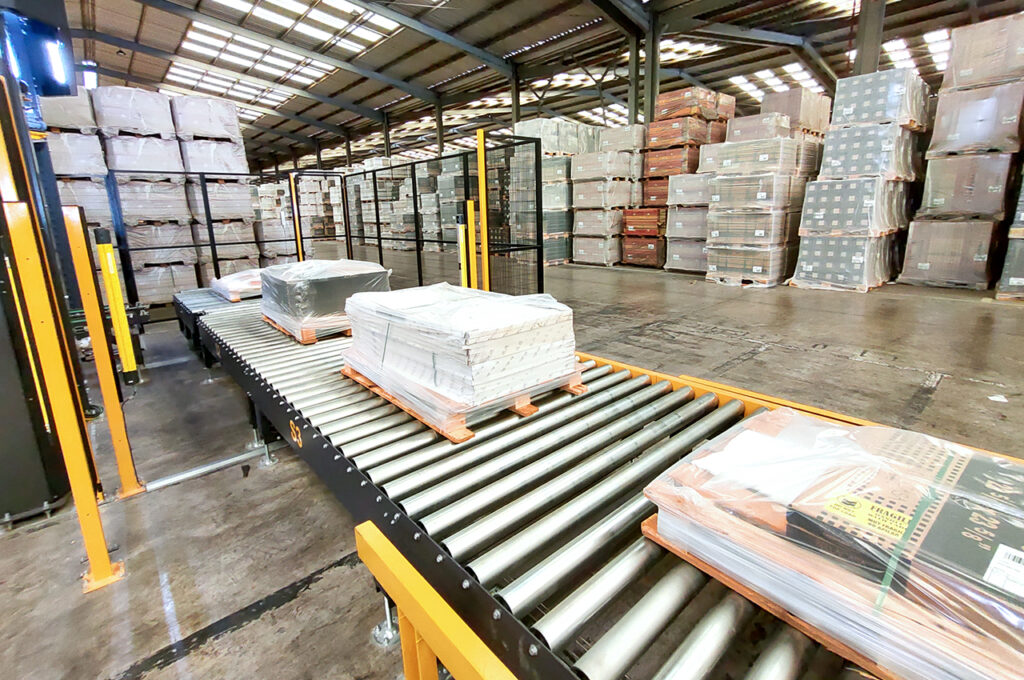
4. Recurring Minor Alarms or Micro-Stoppages on the Packaging Line
One of the most common mistakes in industrial facilities is getting used to micro-stoppages or alarms that can be reset easily. Just because an operator only needs to press a button to resume the cycle does not mean the system is operating correctly.
- Why does this happen? These micro-stoppages are often caused by photocells affected by dirt or misalignment, incorrectly calibrated sensors, encoder readings outside the operating range, or occasional overloads in servo motors.
- Impact: The accumulation of these short interruptions causes wear on electromechanical components due to constant starting and stopping, while also reducing production output. In addition, failing to address these issues increases the risk of isolated incidents developing into a system lockup, a sequence error, or prolonged downtime.
5. Frequent Manual Adjustments to Packaging Equipment
State-of-the-art packaging solutions are designed to operate autonomously. The system should apply the same level of protection and tension to every unit load according to the selected program, without requiring constant adjustments during each cycle.
- Why does this happen? When operators have to repeatedly adjust machine parameters, such as stretch-wrapping or strapping tension, height settings, or load positioning, to ensure the pallet is packaged correctly, these repeated adjustments indicate that the system has lost precision or that there are misalignments in its sensors, brakes, or drive mechanisms.
- Impact: Manually compensating for a mechanical misalignment can often lead to a more serious failure. Without a technical inspection, these issues can result in improperly secured loads or unexpected production stoppages.
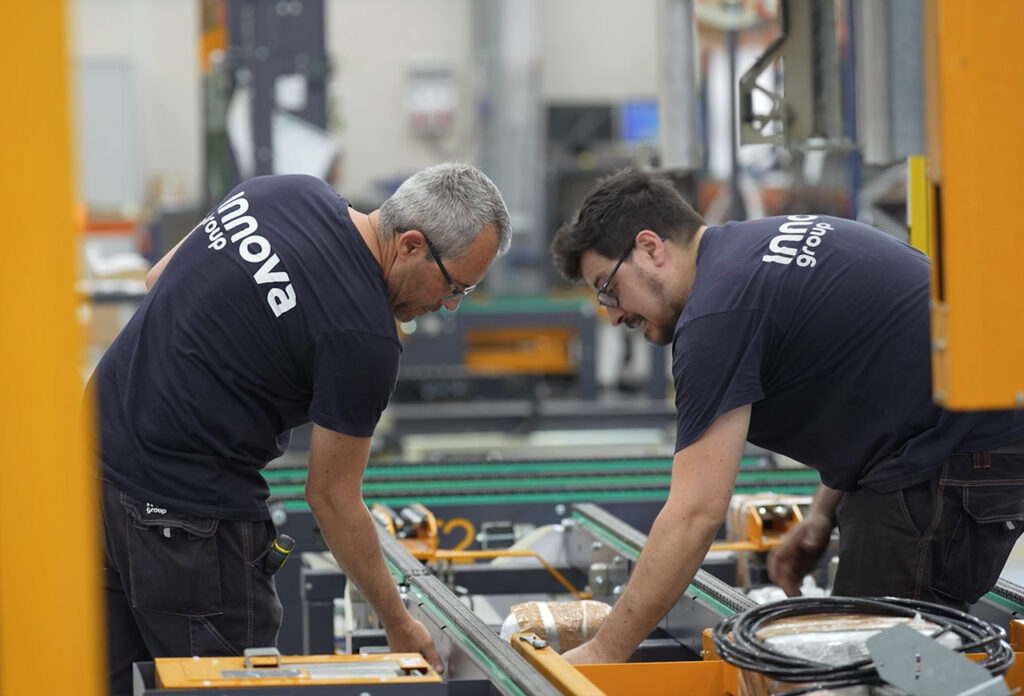
6. Increased Energy Consumption in Packaging Machinery
Energy efficiency is a key performance indicator (KPI) in today’s industrial environment. A gradual increase or unusual spikes in machine energy consumption clearly indicate a loss of operational efficiency.
- Why does this happen? This additional energy consumption is usually caused by motors working harder than normal to overcome mechanical friction, leaks in the pneumatic circuit, or inefficiencies in the machine’s sealing systems.
- Impact: In addition to increasing the operating cost per pallet, higher energy consumption raises the internal temperature of control cabinets and motors, shortening the service life of electronic and power components.
7. Declining Packaging Quality of the Finished Palletized Load
A decline in final packaging quality is the most visible warning sign because it directly affects the condition of the finished load and, consequently, the end customer. It often appears as irregular wrinkles in the film, uneven strapping tension, or tears in the Stretch Hood cover or stretch film. This results in reduced load containment and protection.
- Why does this happen? Declining packaging quality is usually caused by the accumulation of minor machine operating issues: insufficient precision in material tensioning or stretching, sealing or cutting failures, or a lack of synchronization between the machine’s movement axes.
- Impact: Defective packaging compromises the stability and protection of goods during transportation and storage, increasing product damage, customer returns, and harm to brand reputation. Furthermore, when packaging quality repeatedly deteriorates, it is often an early warning of a more serious misalignment or machine failure.
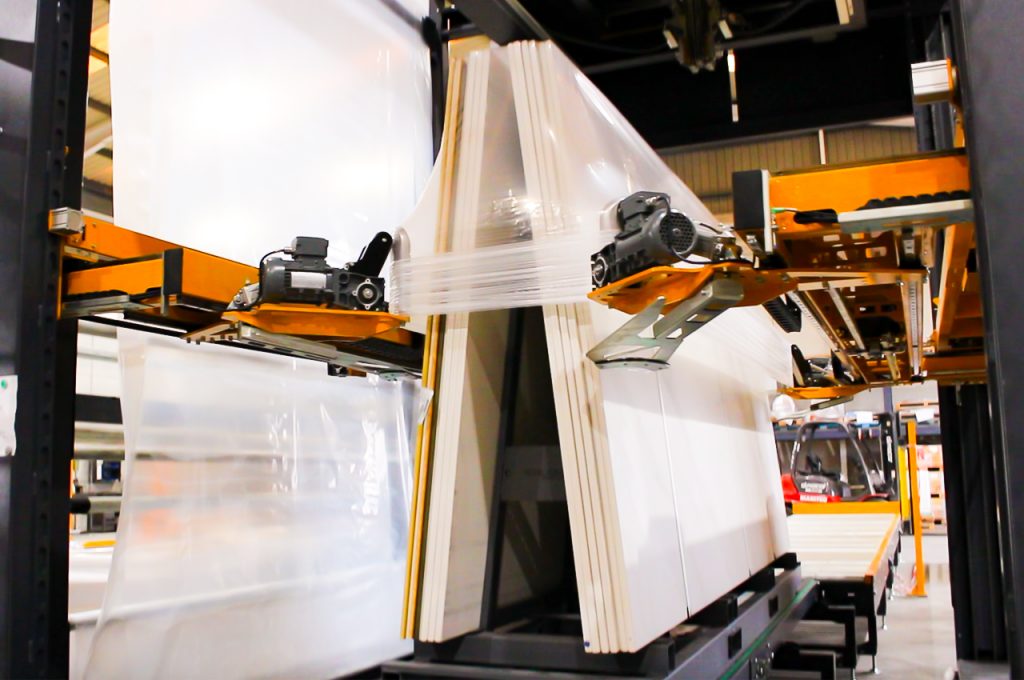
Technical Diagnostics and Maintenance of End-of-Line Packaging Systems
Taking action as soon as the first warning signs appear prevents minor misalignments from developing into critical failures that bring the production line to a halt. Identifying and analyzing these 7 warning signs allows plant and maintenance managers to anticipate major breakdowns, maintain operational stability, and ensure that every load leaves the facility properly protected.
At Innova Group, as specialized manufacturers of comprehensive end-of-line packaging solutions, we support industrial companies in diagnosing, inspecting, and fine-tuning their end-of-line systems.