Beyond Maintenance: Is Your Packaging Line Ready to Grow with Your Business?
What happens after an automatic packaging line has been installed? In most cases, companies design their packaging systems to meet their current production needs. However, just a few years later, those requirements may have changed significantly. Not only because of changes in production and packaging processes, but also because the business itself has evolved. Production volumes may increase, new product formats may need to be packaged, packaging materials may change, new regulations may come into effect, new operators may join the team, or customer and market demands may evolve. The packaging line may be the same, but your company needs not.
So the question is: Has your packaging line evolved as well? And more importantly, how can it adapt without replacing the entire system?
The answer is simple: <a packaging line should evolve alongside your business—and that evolution doesn’t always require investing in new equipment. As a packaging systems manufacturer with more than 25 years of experience, Innova recommends going beyond preventive maintenance by continuing to rely on your equipment manufacturer to help your line grow and adapt throughout its entire service life.
A Packaging Line Doesn’t Age Because of Time Alone
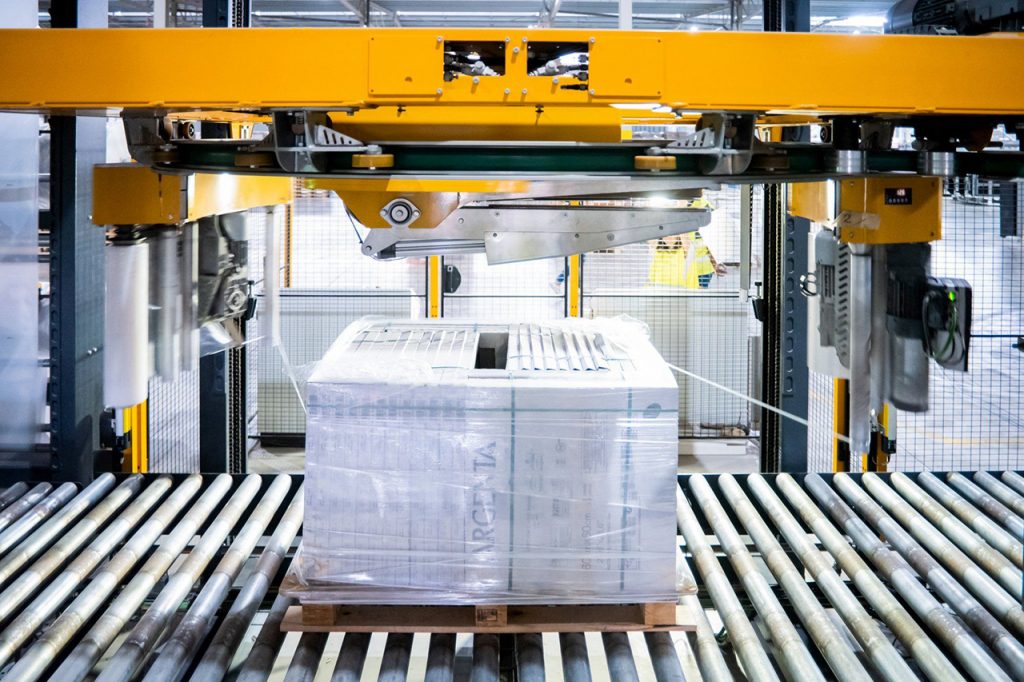
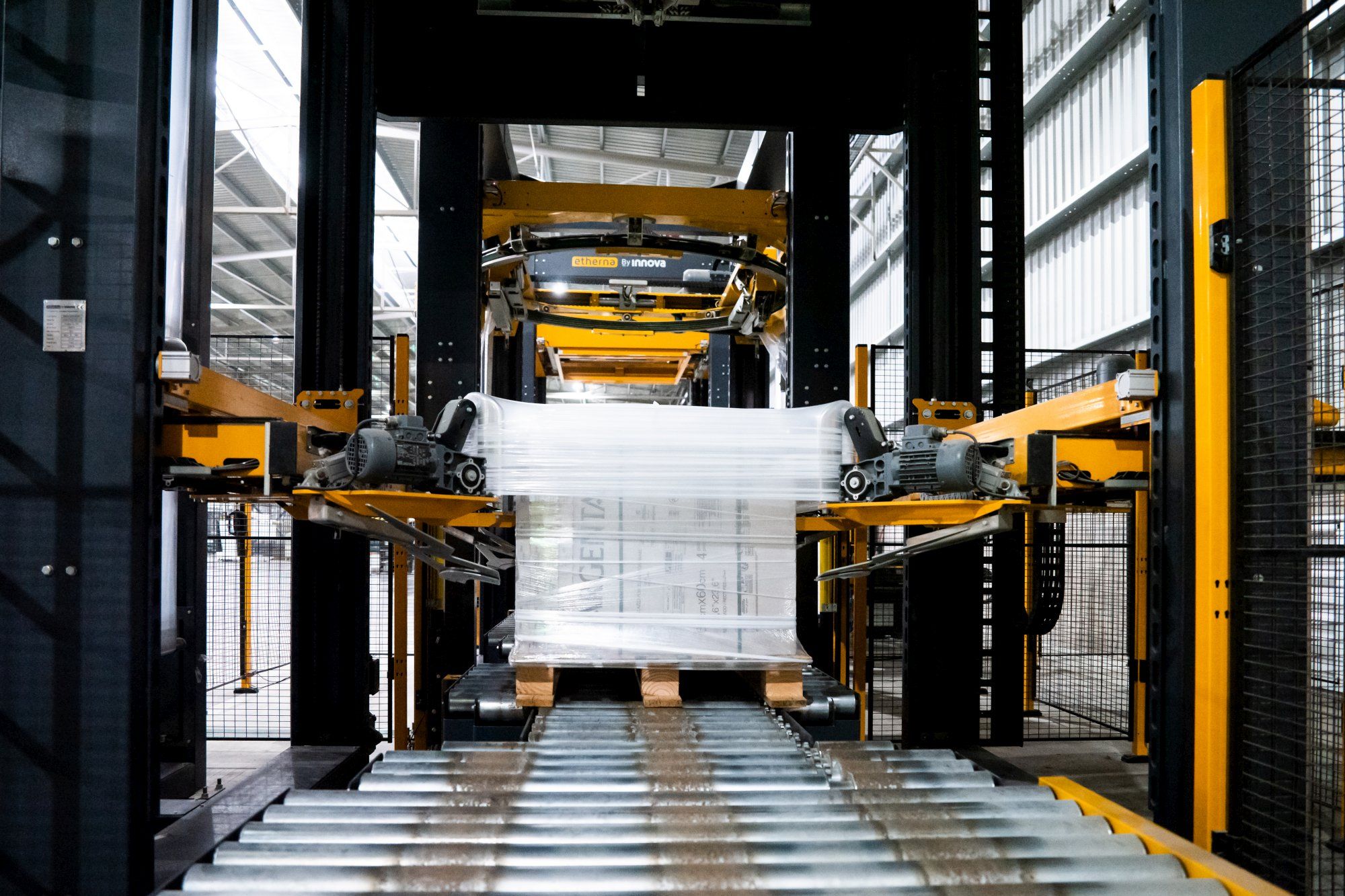
It’s not uncommon to find a 10-year-old Stretch Hood system operating as efficiently as the day it was installed, simply because it has been properly maintained. At the same time, another identical machine may show significant wear after only a few years due to very different operating conditions.
The lifespan and performance of a packaging machine depend on many factors beyond its age.
Some of the most important include:
- Mechanical wear and tear: Certain components naturally require periodic maintenance and replacement throughout the machine’s lifetime.
- Changes in production requirements: One of the most common reasons for upgrading a packaging line is the need to increase throughput, handle new product dimensions, or adapt to new material flows and plant layouts—requirements that are often impossible to predict when the original project is designed.
- Technological obsolescence: While packaging equipment is designed for long service life, some electronic components, software platforms, or automation technologies may eventually require updating or replacement.
- Other external requirements: Regulatory changes, updated safety standards, sustainability goals, recycled-content packaging materials, and transportation regulations may all require modifications to existing packaging systems.
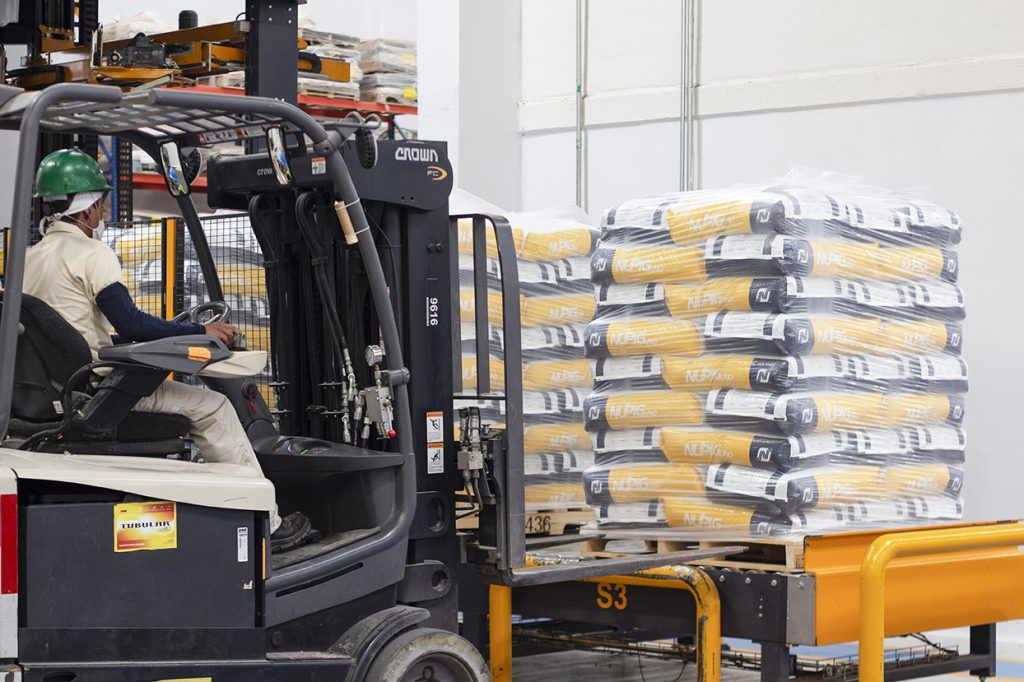
Keeping up with these changes is essential to maintaining a competitive and efficient packaging operation. In relation to normatives and regulations, in our blog we talk about:
When Is It Time for Your Packaging Line to Evolve?
In most cases, upgrading a packaging system is simply a response to new production or business requirements.
Some signs are immediately obvious—such as the need to package new products or increase production speed—while others are more difficult to identify without an active maintenance program and regular technical inspections.
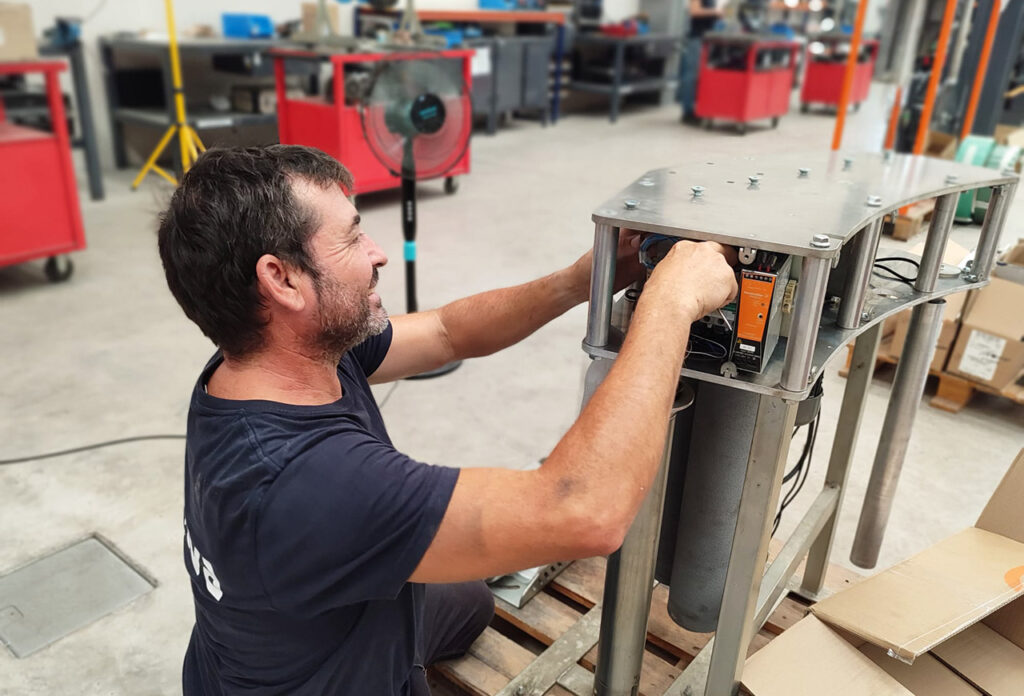
Some common indicators that your packaging line may benefit from an upgrade include:
- Recurring minor issues that require frequent intervention by operators or service technicians.
- Increased film or strapping consumption, often caused by machine wear, improper machine settings for new packaging materials, or external factors such as high ambient temperatures.
- Slow product changeovers that create bottlenecks where none previously existed.
- New pallet sizes or packaging formats, or changes in production flow.
- New regulatory requirements, customer audits, sustainability targets, or energy-efficiency initiatives that require modifications to the packaging process.
Many of these situations don’t necessarily indicate that the machine has reached the end of its life. Instead, they often suggest that the equipment simply needs to evolve to match today’s operating conditions.
Another article we recommend explores how to identify and troubleshoot common issues in Stretch Hood systems. Most of the best practices described can also be applied to other end-of-line packaging systems.
Evolving Doesn’t Mean Replacing Your Equipment: What Can Be Upgraded in a Packaging System?
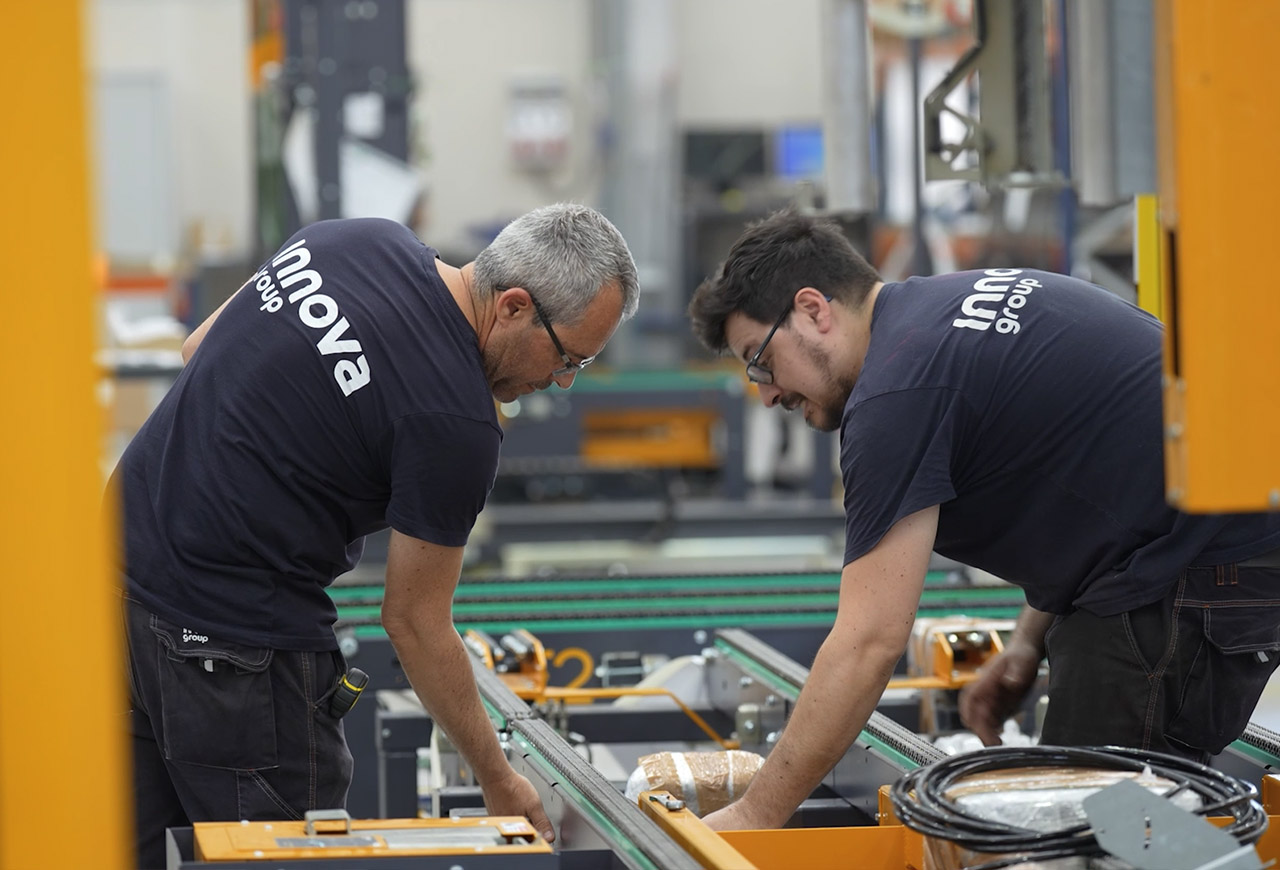
As part of Innova’s Maintenance Program, our technicians inspect every major component, identify opportunities for improvement, and can recommend upgrades, replacements, or the integration of new accessories and technologies.
These improvements may be driven either by the customer’s operational needs or by recommendations from Innova based on our experience with similar installations and the latest technological developments. This is why working directly with the original equipment manufacturer (OEM) provides long-term value that goes far beyond preventive maintenance.
Before implementing any upgrade, we recommend carrying out a technical assessment of the installation to identify which improvements will provide the greatest return based on the current condition of the line and the customer’s production goals.
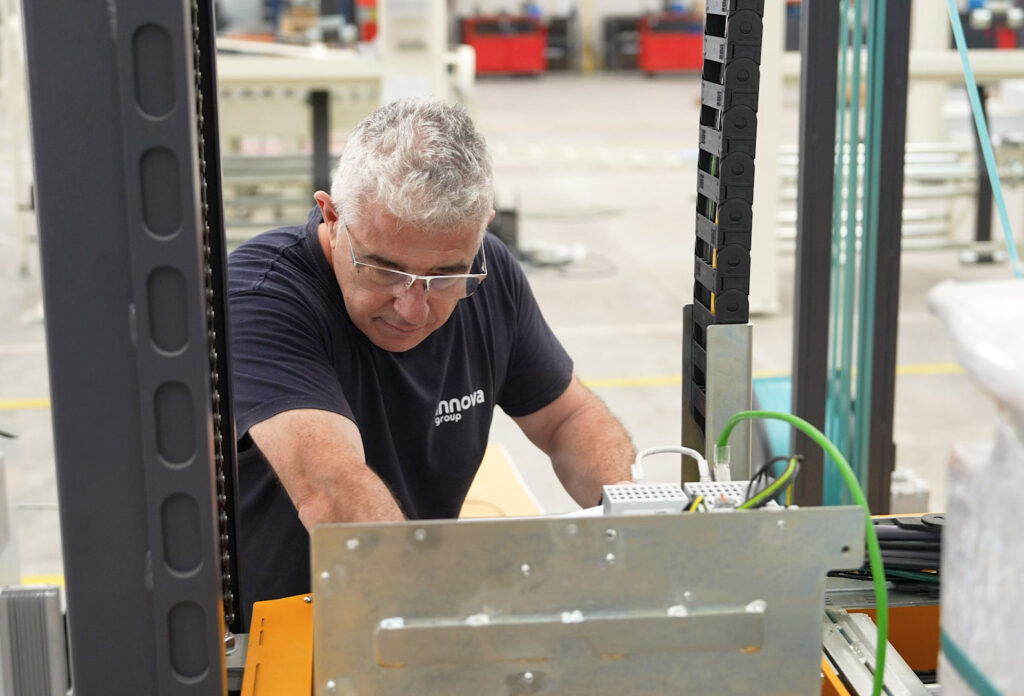
Some of the areas that can be upgraded include:
1. Connectivity & Software
One of the services included in Innova’s maintenance program is updating the PLC software as well as the firmware and control software of other machine components, such as drives and motors. Software updates may also include improvements developed for newer generations of Innova packaging systems, enhanced communication between machines, or integration with the customer’s ERP, MES, or other production management systems.
2. New machine Components
Many existing mechanical assemblies can be modernized to improve reliability, simplify maintenance, or increase operational efficiency. For example, on Stretch Hood systems, Innova can upgrade cutting and sealing assemblies or install solutions that make film reel changes faster, safer, and more ergonomic. These types of improvements allow existing equipment to benefit from the latest engineering developments without replacing the entire machine.
3. Packaging System Accessories
Packaging requirements often change throughout the life of a production line. As part of an upgrade project, additional accessories and optional equipment can be integrated into existing systems, including:
- Edge protector applicators for all packaging systems.
- Top sheet (cover) applicators for stretch wrappers.
- Top Press systems for stretch wrapping applications.
- Pallet centering devices.
- Forklift and pallet stop systems.
- Pallet guides.
- Weighing stations.
- Additional conveyor modules and other customized solutions depending on the project.
These upgrades allow the packaging line to adapt to new products, packaging specifications, and production requirements without major modifications.
Do you want to know more about our accessories? Check out our dedicated pages:
- Automatic Stretch Wrapper Accesories
- Automatic Strapping Accesories
- Packaging Line Security Accessories
- Conveyor systems and other accessories
4. Packaging Line Adaptation
Another important aspect of upgrading and modernizing a packaging line is adapting it to changes in the production flow. This is one of the most common requests handled by our Technical Support and After-Sales teams, whether it’s modifying the line to accommodate new pallet infeed points, adapting the conveyor system for different load handling equipment, adding auxiliary infeed lines, or integrating new external systems—such as labeling equipment—that require updates to the existing line’s software or control programming.
These upgrade projects may also include the integration of additional accessories and safety systems, such as warning signs and beacons, new safety barriers, or the replacement of existing barriers with more advanced solutions, among other improvements.
5. Component Replacement & Retrofit
Another increasingly popular option is retrofitting existing equipment with newer technologies.
Even when a machine continues to operate correctly, replacing key components with more advanced versions can improve productivity, reliability, diagnostics, and maintenance efficiency.
One example is Innova’s ODEN SMARTDRIVE universal strapping head retrofit program. Developed and patented by Innova, the ODEN SMARTDRIVE offers greater strapping precision, simplified adjustment, and advanced connectivity features that allow machine data, diagnostics, and performance reports to be accessed through a web-based interface.
Retrofitting key components allows customers to benefit from the latest technological innovations while extending the service life of their existing equipment and maximizing their original investment.
Choosing the Right Time: Make the Most of Scheduled Maintenance
With a well-defined maintenance plan, clear objectives, and the right upgrade strategy, almost any time can be the right time to improve your packaging line.
At Innova, for example, we recommend that customers maintain a service agreement and warranty coverage for at least the first two to three years after installation. This helps ensure the system continues operating at peak performance while benefiting from periodic inspections performed by our technical specialists.
However, major upgrades are best scheduled during periods of lower production or during planned plant shutdowns. Many industries—such as ceramics, chemicals, petrochemicals, food processing, and building materials—already schedule production shutdowns each year to perform maintenance on critical equipment.
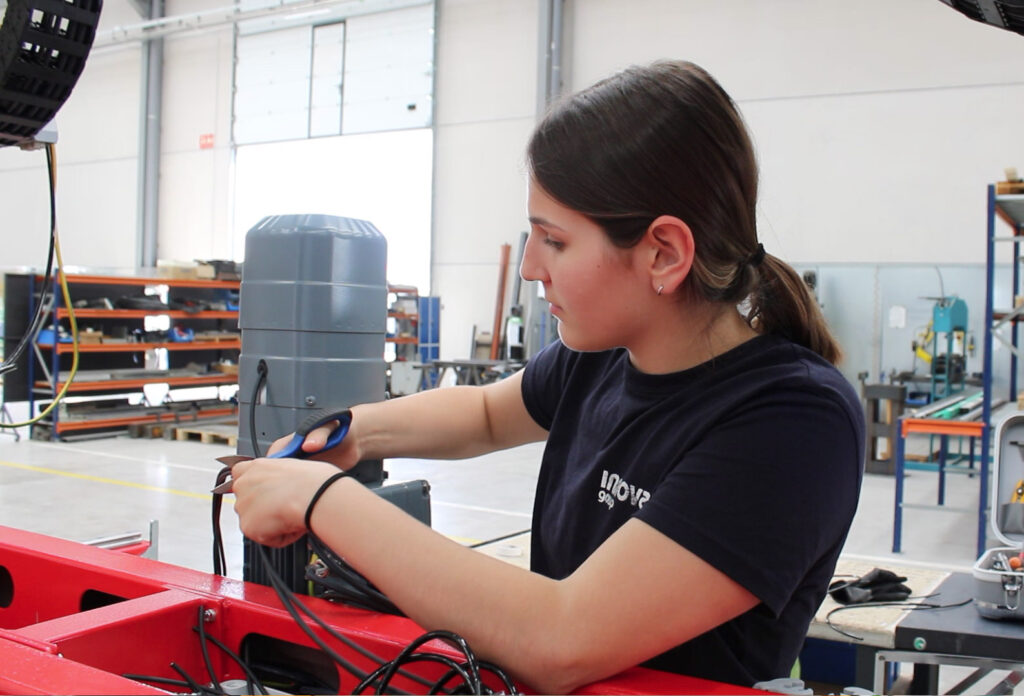
For this reason, many companies take advantage of scheduled production shutdowns to carry out actions that go far beyond preventive maintenance: updating software, reviewing production parameters, training personnel, implementing mechanical improvements, or preparing the packaging line for new production challenges.
In addition to seasonal plant shutdowns (such as summer or year-end shutdowns), major maintenance and upgrade projects are recommended in the following situations:
- Before a planned increase in production: During periods of expected growth in production or customer demand, it is advisable to prepare the equipment in advance rather than waiting for breakdowns to occur while the line is operating at full capacity.
- When packaging requirements change: If new product formats or packaging materials are introduced, it is an ideal time not only to adjust machine parameters and consumables, but also to schedule preventive maintenance and any necessary upgrades.
- When significant changes are made to the production facility or organization: Whether it is the installation of new equipment, the implementation of new production procedures, or the arrival of new personnel, these changes provide a good opportunity to schedule maintenance if they are expected to affect the packaging line.
- After several years of operation: Even if no failures have occurred, electronic components, software, and automation technologies often evolve much faster than the mechanical structure of the machine itself.
Ultimately, scheduled shutdowns should be seen as an opportunity to prepare the packaging line for the future—not simply to preserve it.
The Real Goal: Keeping Your Packaging Line Delivering Value for Years to Come
Ultimately, the true measure of a packaging line isn’t simply that it continues to run—it’s that it continues to meet your business needs with the same efficiency, reliability, and performance as the day it was installed.
A specialized OEM technical support program goes far beyond preventing breakdowns. It helps your packaging line increase productivity, reduce film consumption, improve load stability, incorporate new technologies, and continue adapting to changing production requirements throughout its entire service life.
With more than 25 years of experience designing, manufacturing, and supporting automated packaging systems, Innova helps customers get the most out of their investment—not only by maintaining their equipment, but by continuously improving it as their business grows.
Whether you need software updates, machine retrofits, new accessories, production line modifications, or a customized maintenance strategy, our technical specialists are ready to help you find the best solution for your operation.
Because the best investment isn’t always replacing your packaging equipment—it’s making sure it continues to evolve with your business.
Did You Enjoy This Article?
Subscribe to our monthly newsletter and receive expert insights on packaging automation, industry regulations, maintenance best practices, and the latest trends in end-of-line packaging technology.